
Monsters: The Lizzie Borden Story
The Risks of Portraying Female Rage as Monstrous or Dangerous
Murder is Monstrous. Female Rage is Not.
The average woman experiencing or acting on female rage isn’t going around chopping up mummy and daddy - don’t worry. Female rage has proven to be a political necessity for positive change. But what are the dangers when mainstream media only portrays its violence? And a kinship between these sisters in violence as the first thought that comes to mind when anyone says the words ‘female rage’?
Beautiful costumes, character design and enchanting acting aside, Netflix's latest Monster series’ predominantly male creators seem to be patting themselves on the back for ‘examining female rage’ when - in reality - it adds to the exact patriarchal brief system that keeps real change happening for women. That is: female rage is something to be feared.
Does the Show Successfully Explore Female Rage?
Technically, by Dr Rebecca Mark’s definition of female rage, predominant sub-themes making up female rage are explored in the show: Systemic inequality. Patriarchal oppression. Historical suppression of women’s anger. Pent up frustration against expected submission. But successfully? No. The damage to female rage’s reputation is far outweighed by the risks and misunderstandings it perpetuates.
Female Rage Does Not = Female Violence
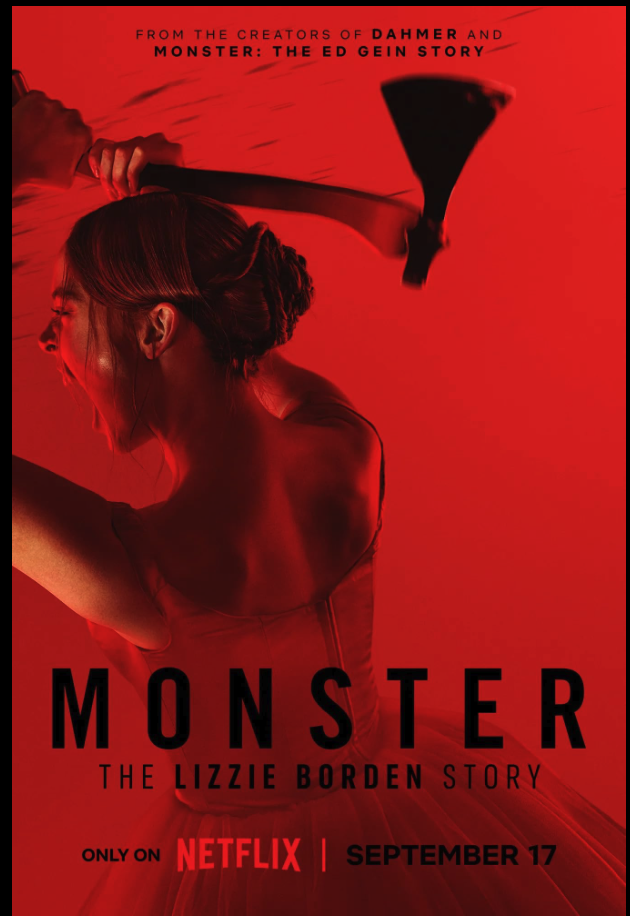
The number one risk is that it works to create public assumption that female rage equals female violence. If someone were to ask you what the show was about, odds are you would probably say something like: ‘It’s about that woman who wacked her mom and dad 40 times with an ax.’ The violence is at the forefront of the message. Not the cause. Although, in fairness, the cause is explored well in the show, even at the start of the series one finds oneself rooting for Lizzie. But that’s not remembered as important. It assumes female rage is violence against people - not the patriarchal system. A system - not a people.
Collective Othering of Women Risks Harbouring Separation Between Sexes
Another risk of the series' portrayal of female rage is how the female characters as a collective help each other so successfully to commit crimes and get away with it. Which risks harbouring the separation of the sexes - which is exactly what the patriarchy wants us to do: see the monsters in the opposite sex. Maggie puts the idea in Lizzie’s head, Lizzie commits the crime, Nance coaches Lizzie to mesmerise the all-male jury - even the sister (who initially was hell-bent on proving LIzzie’s guilt) purges herself in court so her sister could be free. Again, acknowledging that this is set in a different time to ours, it still drills the message in: fear female rage, look what women have done and gotten away with, what if they do it again.
Any Woman at Any Time Can Apparently Become Murderers
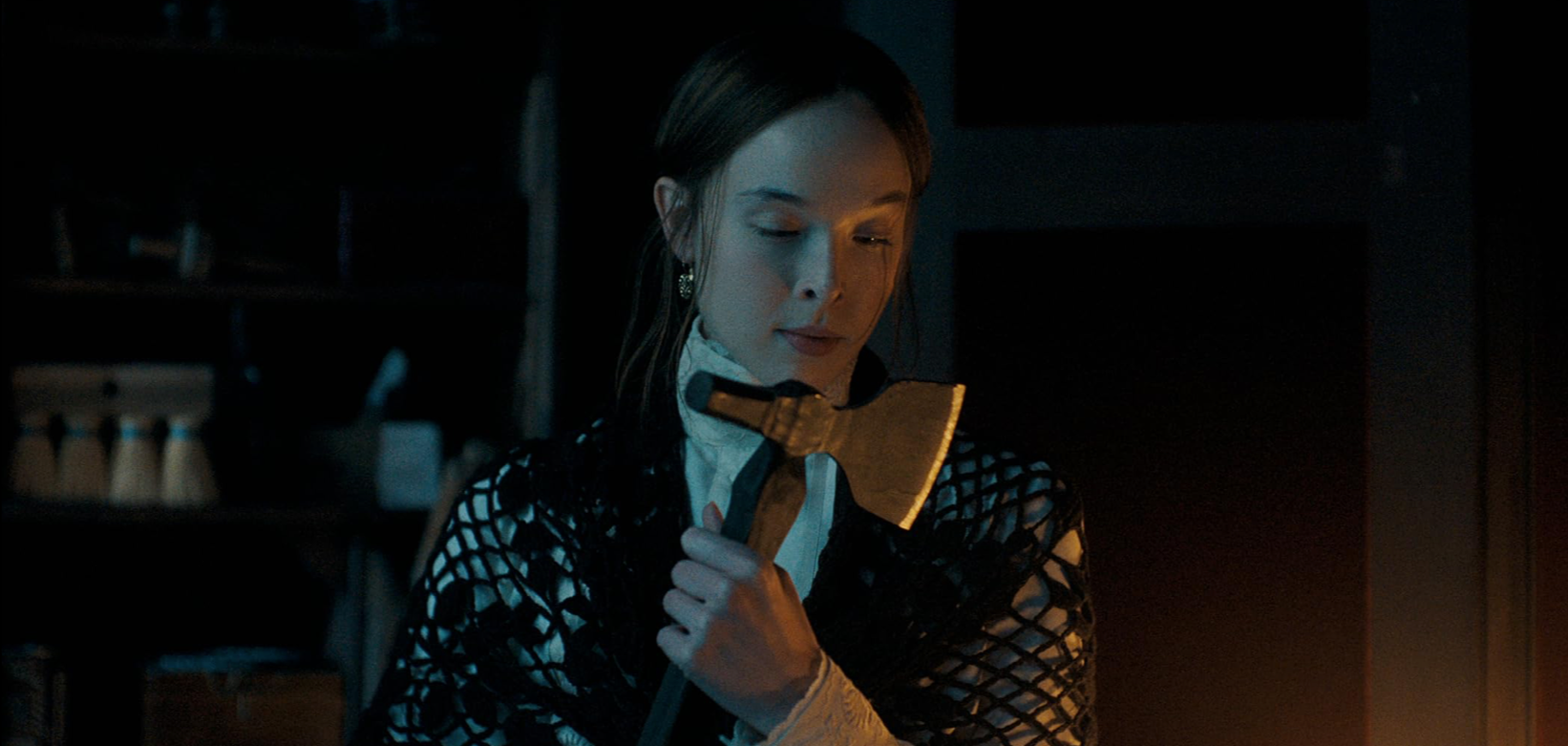
While one can appreciate the supposed message that anyone pushed to the point of constant oppression, suppression and abuse can reach a breaking point, in the show Lizzie is convinced rather easily and quickly to become violent. So, if Lizzie, who initially strongly opposed Maggie’s suggestion of murder, can indeed become a violent murderess - any woman at any time no matter how seemingly naive or law-abiding can become enraged with their femininity and - well - quick, everyone hide your axes… Fear. Fear. Fear.
Series’ Creators Made Face-Palming, Ironical Choices
One could also dive into the creators’ choices that actively contradict what they claim to champion about female rage. The suffocation of youth and beauty as a women’s primary currency - let’s cast actresses who are years younger than the real people (Ella Beatty is 26 and Elizabth Borden was 32) and let’s not show any signs of aging on their skin even after decades have past…?
Overall, one could say the series as a feminist piece actually needs more men. Not more male characters judging female characters, or emotionally, verbally, sexually violating them, or blackmailing them, but men who listen and well, just, help. Because contrary to what this show might tell you, men do indeed have the responsibility to learn why women are so enraged, not to dismiss or fear-monger it to others - or create shows in mass media that do just that.
Like what I wrote? Let me create something for you too.